|
HumaneVMA Webinar
Making the world a better place for horses:
Awareness of the Ridden Horse Pain Ethogram
Presented by: Sue Dyson, MA, VetMB, PhD, DEO
Wednesday, February 18, 2026, 8:00-9:30 pm ET
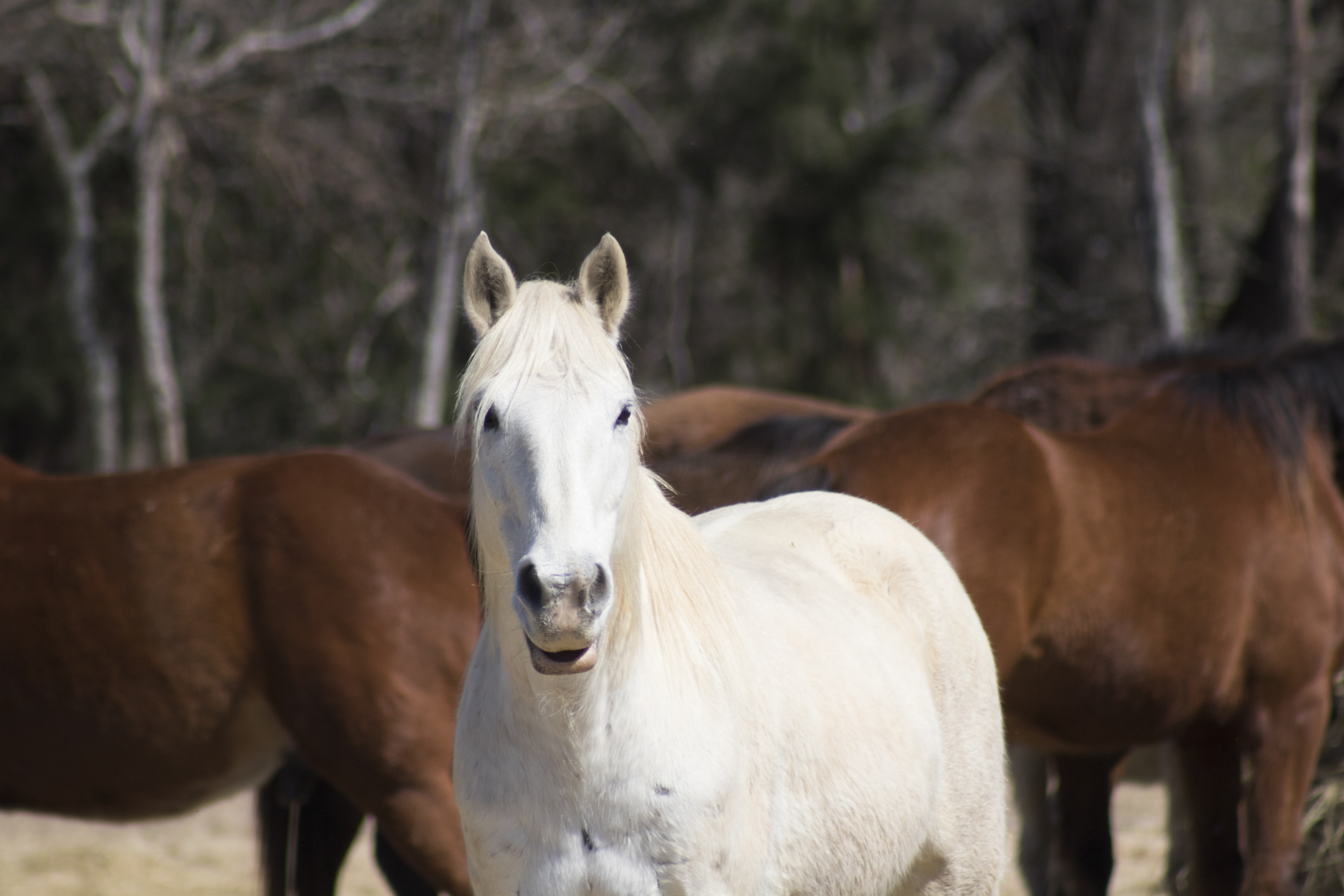 Photo Credit: JP Bonnelly / N/A Photo Credit: JP Bonnelly / N/A
Understanding unwanted behavior in horses can reduce the risk of coercive and punishment-based training. Dr. Dyson will discuss how behavior is communication and should not be interpreted as naughty. Pain can compromise performance, trainability, rider safety and confidence. Often horses try to conceal musculoskeletal pain by gait modifications. Using the validated Ridden Horse Pain Ethogram (otherwise known as the Ridden Horse Performance Checklist) can assist veterinary professionals in their evaluation of equines. Its use in the real world by owners, equine professionals from all disciplines and veterinarians will be reviewed.
Learning Objectives:
-
Improve knowledge of equine behavior by dispelling the myths of naughty, lazy, grumpy, unwilling, irritable horses
-
Improve pain recognition in horses
-
Learn how, with appropriate investigation, one can determine the cause, treatment and management of pain
-
Understand how resolution of often unrecognized pain results in enhanced equine welfare
-
Recognition that horses can be experiencing musculoskeletal pain even in the absence of conventional lameness
This webinar is FREE for all attendees.
1.5 hours of RACE CE credit is available for HumaneVMA members only.
Not yet a member? Join HERE!
Dr. Sue Dyson, MA, VetMB, PhD, DEO
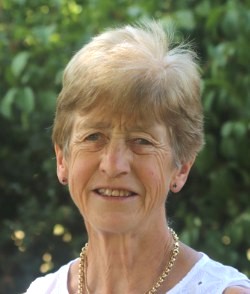
Sue Dyson qualified as a veterinarian from the University of Cambridge in 1980. After an internship at the University of Pennsylvania and a year in private equine practice in Pennsylvania, Sue returned to Great Britain to the Animal Health Trust, Newmarket. Sue ran a clinical referral service for lameness and poor performance, attracting clients from all over the United Kingdom, Ireland and continental Europe for 37 years. From 2019 she has worked as an independent consultant, combining her horsemanship skills with her veterinary experience, with the aim of maximizing performance potential.
Sue’s key interests are improving the diagnosis of lameness and poor performance and maximizing the opportunity for horses to fulfil their athletic potential at whatever level, taking a holistic approach to the horse, rider and tack combination, and improving approaches to diagnosis and management. She has been involved not only in providing clinical services, but also clinically relevant research and education. Sue is co-editor, with Mike Ross, of Diagnosis and Management of Lameness in the Horse and co-author of Clinical Radiology of the Horse and Equine Scintigraphy. With Sue Palmer she wrote Harmonious Horsemanship: Use of the Ridden Horse Ethogram to Optimise Potential, Partnership and Performance. She has published more than 450 papers in peer reviewed journals concerning lameness and diagnostic imaging and has lectured worldwide to veterinarians, paraprofessionals, coaches, riders and judges.
Sue is a former President of the British Equine Veterinary Association and is currently scientific advisor to the Saddle Research Trust and Moorcroft Rehabilitation Centre. Sue is also a rider, and has produced horses from novice to top national level in both eventing and show jumping. Sue holds the Instructors and Stable Managers Certificates of the British Horse Society (BHSI).
Sue has been awarded many international accolades for her work including induction into the University of Kentucky Equine Research Hall of Fame for outstanding contributions to research in equine veterinary science, Honorary Membership of the British Equine Veterinary Association and Societa Italiana Veterinari Per Equini, Italy, the American Association of Equine Practitioners Frank J. Milne Award and the Tierklinik Hochmoor Prize, Germany, for outstanding, creative and lasting work in equine veterinary medicine.
|